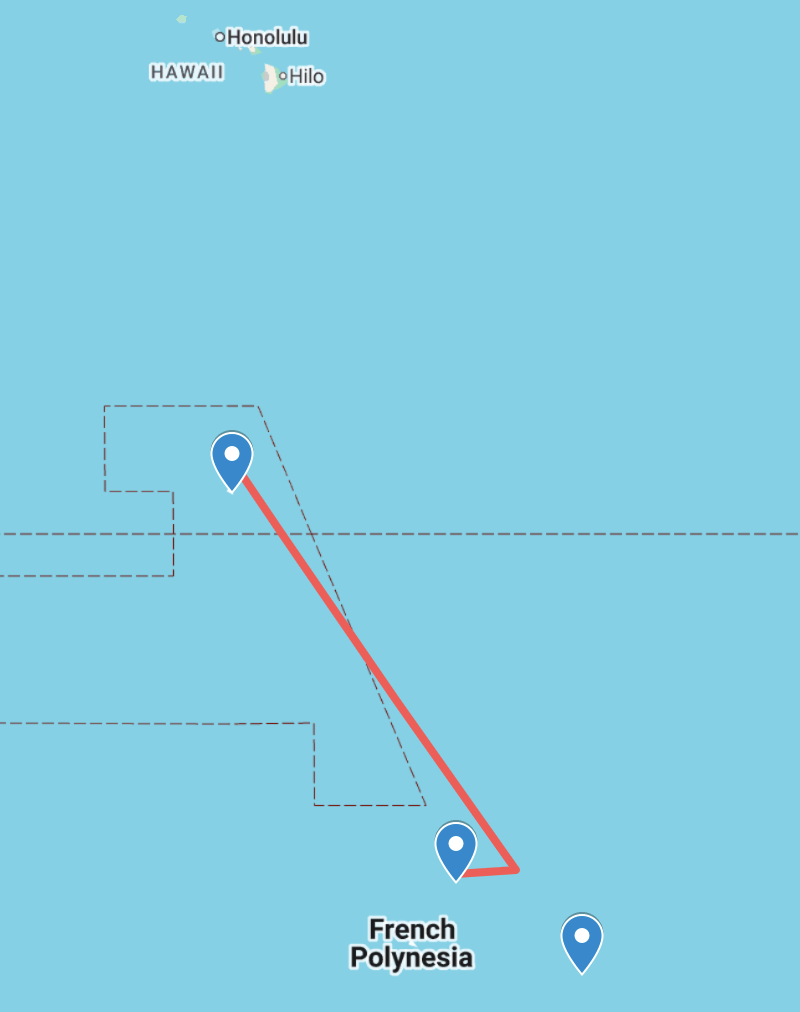
Leg 5: Rangiroa to Kiritimati
Departure: September 3
Arrival: September 15
11 days total expedition time
Distance: ~1,200 nm
Cost: $7,150 per single berth
Fly into Rangiroa (RGI) | Fly out of Kiritimati (CXI)
(We’ll coordinate arrival timing and local logistics once your berth is confirmed.)
The Passage
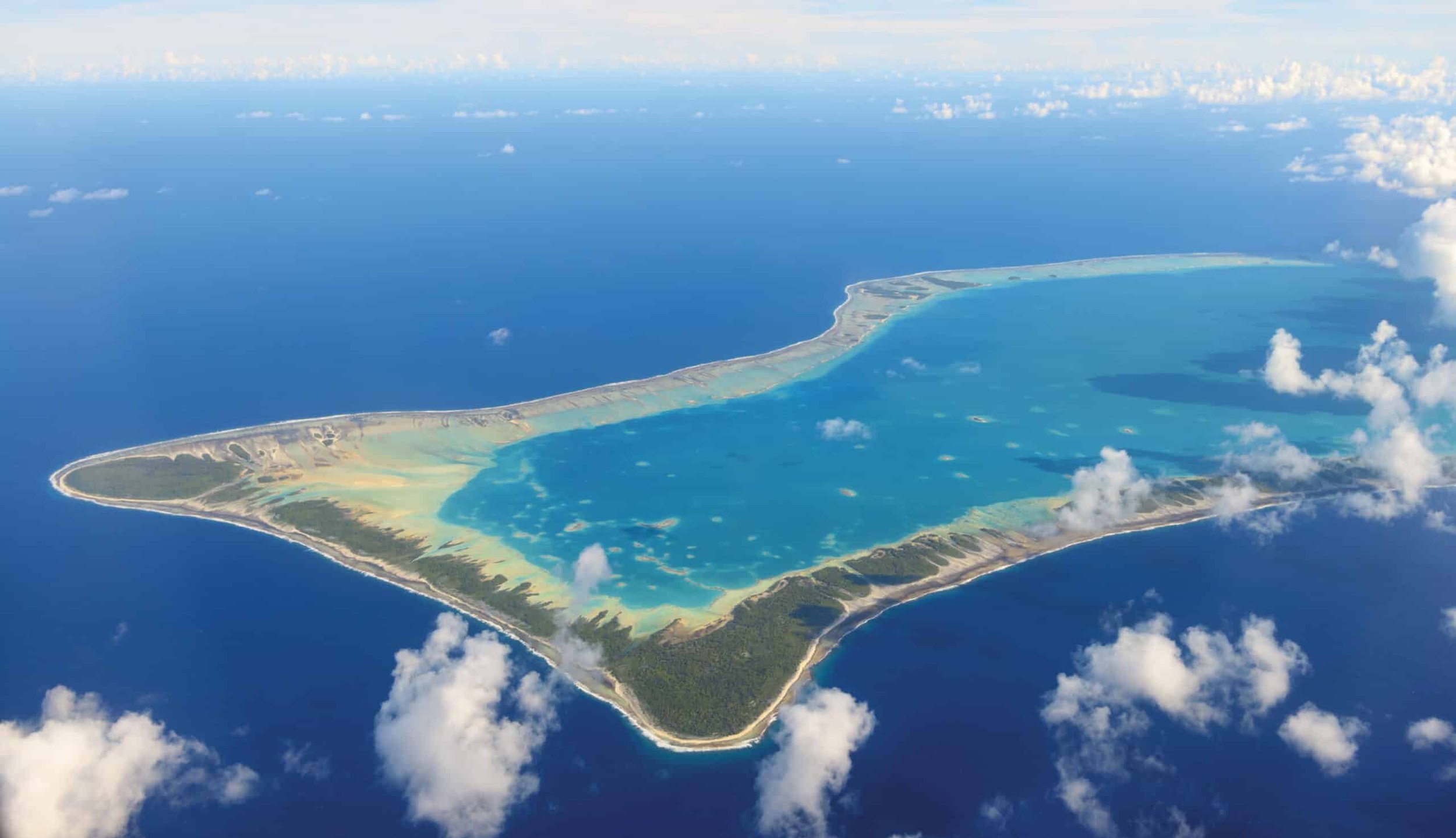
Leg 5 is a milestone crossing — leaving the coral lagoons of the Tuamotus and committing to open ocean on a northwest course toward the Line Islands.
This leg includes two major geographic moments:
crossing the Equator northbound and crossing the International Date Line westbound, returning us to the Northern Hemisphere and advancing the calendar by one full day.
Once clear of Rangiroa’s pass, the horizon opens and the rhythm settles into sustained bluewater sailing. Expect steady trade winds, warm water, long-period swell, and extended downwind or broad-reaching conditions. Full watch rotations, sail balance, systems checks, and daily routing decisions define the days underway.
Routing remains active — we monitor trade-wind structure and convergence-zone positioning carefully to maintain consistent pressure and avoid light-air bands near the equator.
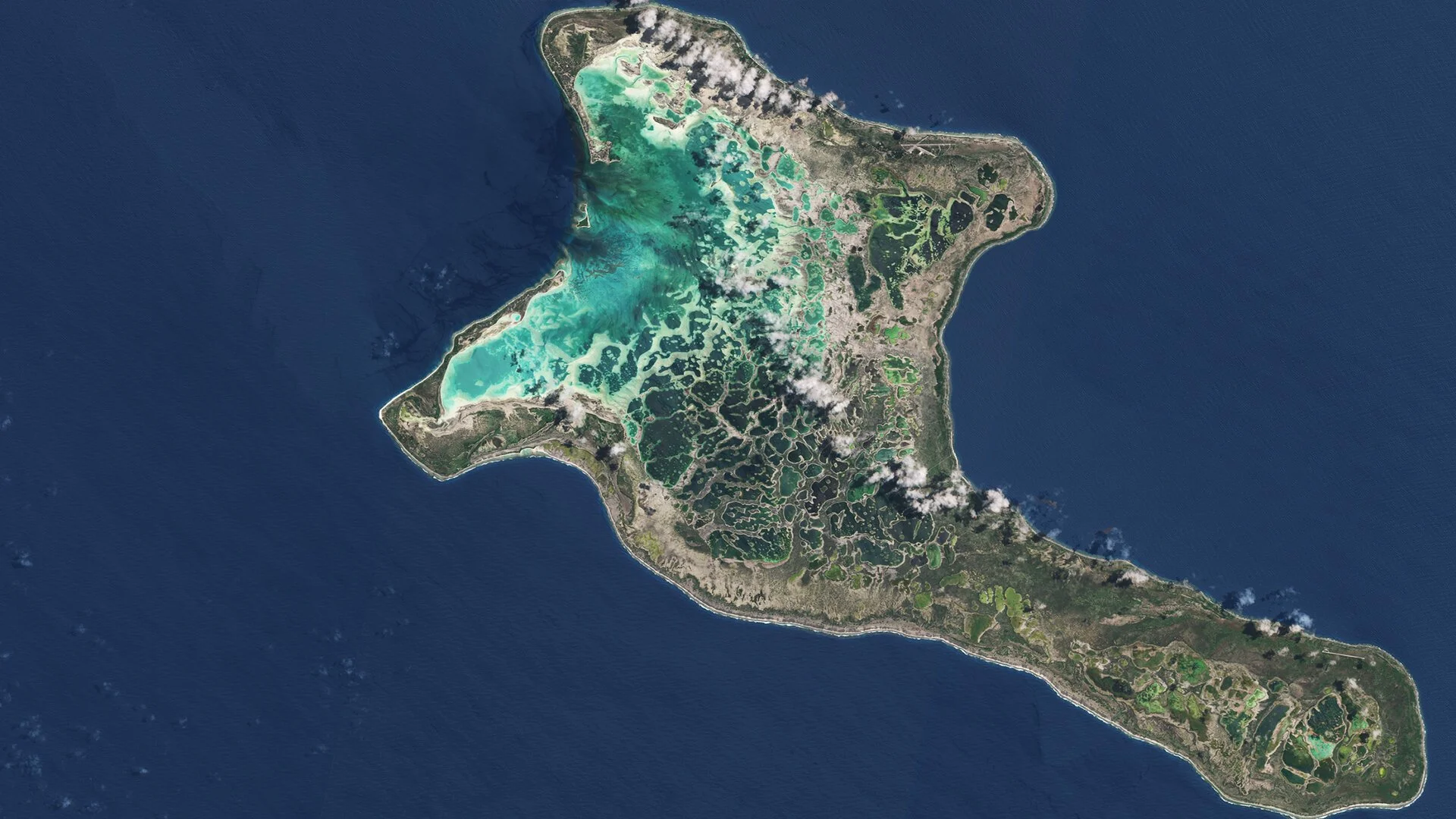
After days of uninterrupted horizon, Kiritimati rises low from the sea — a vast coral atoll opening into one of the largest lagoon systems in the world.
Timing & Exploration
Passage time: ~7–9 days under sail, weather dependent
Total expedition duration: 11 days
The remaining time provides routing flexibility and allows for rest and initial lagoon exploration upon arrival in Kiritimati.
What to Expect
This is a hands-on expedition limited to six crew members with meaningful 1:1 instruction. You’ll rotate through navigation, weather, systems, galley, and rigging roles while standing full offshore watch rotations.
Instruction typically includes:
• Equator-crossing weather strategy and convergence-zone analysis
• Tradewind routing and long-range decision making
• Downwind sail trim, reefing strategy, and performance management
• Offshore systems oversight and preventative maintenance
• Celestial navigation under open-ocean skies
Optional ASA certifications may be available depending on experience and goals.
Conditions & Highlights
Average run: ~140–180 nm/day
Conditions: Warm water, steady trades, possible squalls near the equator
Milestones: Equator crossing ceremony + International Date Line crossing
Wildlife: Flying fish, tuna, mahi-mahi, dolphins, seabirds
Skies: Exceptional equatorial star fields